
Growth rarely feels dramatic. It’s not a sudden flash of brilliance or a meteoric rise. Instead, it’s a slow burn, a steady accumulation of knowledge, skills, and insights that gradually reshapes you. You start with a desire to learn, a spark of curiosity. You consume information, practice, and try to apply what you’ve learned. Then, you wait. And often, you feel…stuck.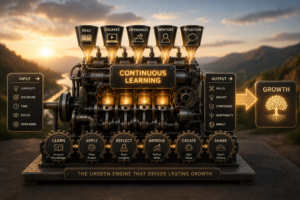 This feeling, that plateau where progress seems to stall, is where many learners give up. They get frustrated by the lack of immediate results, comparing themselves to others who seem to be advancing effortlessly. They might question their abilities or the value of their efforts. But the truth is, this is a critical phase. It’s the point where real development begins, even if it doesn’t feel like it.
The Compounding Effect: More Than Just Information
Learning isn’t just about accumulating information. It’s about building a foundation of understanding, a framework upon which you can construct more complex skills and insights. Each piece of information, each skill you acquire, becomes a building block. Over time, these blocks combine to form a solid structure, capable of supporting significant growth.
Think of it like investing. Small, consistent contributions to a portfolio, compounded over time, lead to substantial returns. Similarly, consistent learning, even in small doses, creates a compounding effect. Each hour spent studying, each skill practiced, each challenge overcome, adds to your capacity for growth.
This is the core concept of *continuous learning* – a commitment to ongoing development. It means embracing the idea that learning isn’t a destination, but a journey. It’s about cultivating a mindset of curiosity and a willingness to explore new ideas and approaches.
The System, Not the Sprint: Building Sustainable Habits
Real development becomes visible when you approach learning as a system, not just a series of isolated events. This system consists of habits that support long-term growth.
Here are some essential habits:
- Consistent Practice: Regular practice is the cornerstone of skill development. Whether it’s coding, writing, or public speaking, consistent practice solidifies your skills and builds muscle memory.
- Active Recall: Instead of passively rereading or highlighting, actively recall information. Test yourself, explain concepts aloud, or teach others. This active engagement strengthens your memory and understanding.
- Feedback and Reflection: Seek feedback from mentors, peers, or instructors. Reflect on your mistakes and use them as opportunities to learn and improve.
- Structured Learning: Develop a plan that includes goals, time blocks, and resources. Structured learning helps you stay on track and avoid feeling overwhelmed.
- Embrace Challenges: View challenges as opportunities for growth. Step outside of your comfort zone and try new things, even if they seem difficult at first.
These habits aren’t about quick wins. They are about establishing a sustainable rhythm that supports continuous improvement. They are the unseen engine that powers your long-term growth.
Common Learning Pitfalls and How to Avoid Them
The path to long-term growth is not always smooth. There are common pitfalls that can derail your progress.
Here’s how to avoid them:
- Relying on Passive Learning: Rereading notes or passively listening to lectures gives the *illusion* of understanding. Instead, actively engage with the material.
- Multitasking: Multitasking hinders focus and reduces the time needed to absorb information. Eliminate distractions and create a dedicated study space.
- Comparing Yourself to Others: Everyone learns at their own pace. Focus on your own progress, not on what others are doing.
- Avoiding Mistakes: Mistakes are a valuable part of the learning process. Embrace them as opportunities to learn and improve.
- Memorizing Without Understanding: Focus on the connections between facts and deeper insights. Understanding the “why” behind concepts is crucial for long-term retention.
Avoiding these pitfalls is as crucial as building the right habits. They are the obstacles that can slow down your progress, and it is important to be aware of them.
The Long-Term Impact: Beyond Skills and Knowledge
Continuous learning has a profound impact that extends far beyond acquiring specific skills or knowledge. It shapes your career trajectory, your mindset, and the opportunities available to you.
Here’s how:
- Career Advancement: Lifelong learning is crucial for staying competitive in the job market. It can lead to promotions, pay raises, and new career opportunities. The more you invest in learning, the more adaptable you become.
- Growth Mindset: Embracing continuous learning cultivates a growth mindset. You begin to view challenges as opportunities for growth and see failure as a learning experience.
- Increased Adaptability: The ability to adapt to new situations and technologies is highly valued in the modern workplace. Continuous learning equips you with the skills and mindset needed to navigate change with confidence.
- Enhanced Problem-Solving Skills: Exposure to new ideas and concepts allows for more inventive approaches to challenges.
- Improved Self-Confidence: Investing in learning builds self-efficacy—the belief that you can achieve goals and complete tasks.
This long-term impact is what makes the journey of continuous learning so rewarding. It’s not just about what you know; it’s about who you become.
Adapting to the Future: The Evolving Landscape of Learning and Work
The world of work is rapidly changing. Technology, globalization, and evolving societal needs are reshaping industries and job roles. To thrive in this environment, you need to cultivate a learning and adaptability mindset.
Here are some key trends to consider:
- The Rise of AI: Artificial intelligence is transforming many industries. Embrace AI tools and technologies to enhance your productivity and innovation.
- The Importance of Soft Skills: Skills like communication, teamwork, and problem-solving are in high demand.
- The Gig Economy: The rise of freelancing and contract work requires you to be adaptable, resourceful, and self-directed.
- Remote Work: The ability to manage your time effectively and maintain a work-life balance has become paramount.
- The Power of Community: [Internal Link 1: Finding Your Tribe Online: A Practical Guide to Community Building in 2026] Community is going to be increasingly important, find your people.
The ability to embrace change, learn new skills, and apply your knowledge in different areas will be a significant advantage. This means a focus on building a range of skills and a willingness to be flexible about career options.
[Internal Link 2: Growfunda] is a great resource to begin your journey.
Frequently Asked Questions
Here are some frequently asked questions:
- How do I start building a continuous learning habit? Start small. Set realistic goals, choose topics that genuinely interest you, and dedicate a specific time each day or week to learning.
- How do I overcome the feeling of being “stuck”? Focus on the process, not just the results. Celebrate small wins, seek feedback, and remind yourself that consistent effort will eventually yield results.
- How can I make learning more enjoyable? Choose topics that align with your passions. Experiment with different learning methods, such as reading, listening to podcasts, or taking online courses. Connect with others who share your interests.
- Is it ever too late to start learning something new? Absolutely not! Lifelong learning is for everyone, regardless of age or experience. Embrace the opportunity to learn and grow at any stage of life.
- How can I stay motivated during the learning process? Set clear goals, break down large tasks into smaller, manageable steps, and track your progress. Reward yourself for completing milestones. Seek support from mentors or peers.
- What are the most valuable skills for the future of work? Adaptability, critical thinking, problem-solving, communication, and digital literacy.
- How do I find time for continuous learning? Integrate learning into your daily routine. Schedule dedicated time slots for learning, even if they are short. Utilize downtime, such as commuting or waiting in line, to learn.
- How can I measure the impact of my learning efforts? Track your progress, seek feedback from others, and identify areas where you’ve improved. Reflect on how your learning has contributed to your goals, both personally and professionally.
Conclusion
Continuous learning is the unseen engine that powers long-term growth. It’s not about quick fixes or overnight success. It’s about cultivating a mindset of curiosity, building sustainable habits, and embracing the journey of lifelong development.
By understanding the compounding effect of learning, avoiding common pitfalls, and embracing the evolving landscape of work, you can unlock your full potential and achieve lasting success. Remember, the journey of learning is a marathon, not a sprint. And with consistent effort and a growth mindset, you’ll reach your destination.