
Hey there, future marketing superstar! Feeling overwhelmed? Drowning in a sea of marketing tactics, shiny new tools, and “guaranteed success” promises? I get it. I’ve been there. Back in the day, I was running a small e-commerce store, and I was all over the place. One week it was Facebook ads, the next it was email marketing, then SEO, then… well, you get the picture. Sales were inconsistent, my ad spend was through the roof, and I felt like I was constantly chasing the next “big thing.”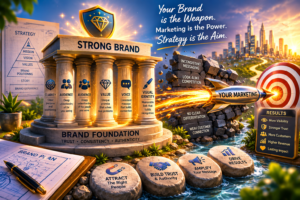 That’s when I learned the hard way that a strong brand foundation isn’t just some fluffy marketing buzzword. It’s the bedrock upon which all your marketing efforts stand. It’s the reason why some businesses thrive while others… well, they disappear faster than a free sample at a trade show. Trust me; I’ve learned from countless mistakes, wasted budgets, and campaigns that went up in flames. This isn’t just theory; it’s the real deal.
Why Your Brand Foundation Matters More Than You Think
Think of your brand like a house. Your logo and website are just the paint and furniture. A solid brand foundation is the concrete, the framing, and the wiring. Without it, your beautiful house will crumble at the first sign of trouble. In the same way, without a solid foundation, your marketing efforts will be inconsistent, ineffective, and ultimately, a waste of your precious time and money.
Here’s why it’s so critical:
- Consistency: A strong foundation ensures all your marketing activities – your website, social media, ads, and customer interactions – send a unified message. This builds trust and recognition.
- Targeting: It helps you clarify who you’re talking to and why. You’re not just selling; you’re connecting with people who truly *need* what you offer.
- Differentiation: In a crowded marketplace, your brand foundation helps you stand out. It clearly communicates what makes your business unique and why customers should choose *you*.
- Efficiency: It makes your marketing more effective. When you know your brand inside and out, you make better decisions, reducing wasted spend and improving your ROI.
- Longevity: A strong foundation provides a lasting framework for your business, helping you adapt to changes in the market and stay relevant over time. This is where adaptability and continuous learning comes in, it shapes your future and brand strategy.
This is where most beginners go wrong. They jump headfirst into the latest marketing tactics without understanding the core of their business. They spend tons on ads without knowing who their ideal customer is, what they truly offer, or how they want to be perceived. The results? A confusing brand, wasted resources, and a whole lot of frustration.
Building Your Brand Foundation: The Essential Components
So, what exactly goes into building a solid brand foundation? Let’s break it down into the core elements. Think of this as your brand-building checklist:
1. Defining Your Brand Identity
This is the “who” of your brand. It’s about figuring out:
- Your Mission: What problem are you solving? Why do you exist? What impact do you want to make?
- Your Values: What principles guide your business? Honesty? Innovation? Customer service?
- Your Vision: What’s your long-term goal? Where do you see your brand in the future?
Beginner Mistake: Confusing your logo with your brand. A logo is just a visual representation. Your brand is the entire experience. It’s how people *feel* about your business.
Real-World Example: Consider a company like Patagonia. Their mission isn’t just to sell outdoor gear. It’s about protecting the environment. Their values are rooted in sustainability. Their vision is to inspire change. This foundation guides everything, from their product design to their marketing campaigns.
2. Identifying Your Target Audience
Who are you trying to reach? You can’t be everything to everyone. The more specific you are, the better. Consider:
- Demographics: Age, gender, location, income, education, etc.
- Psychographics: Values, interests, lifestyle, attitudes.
- Needs and Pain Points: What problems are they facing? What are they looking for?
- Buying Behavior: Where do they spend their time? What influences their decisions?
Beginner Mistake: Trying to appeal to everyone. This results in generic marketing that resonates with no one.
Real-World Example: A fitness brand might target “busy moms, aged 30-45, who value convenience and health.” This allows them to create targeted content, choose the right social media platforms, and craft messaging that speaks directly to their audience’s needs.
3. Crafting Your Brand Messaging
This is how you communicate your brand to the world. It includes:
- Your Unique Value Proposition (UVP): What makes you different and better? Why should customers choose you over the competition? What can your customer expect after purchasing from you?
- Your Brand Voice: How do you sound? Formal? Playful? Authoritative?
- Your Key Messages: What are the core things you want people to remember about your brand?
Beginner Mistake: Using generic, jargon-filled language that sounds like everyone else. Customers are savvy. They can spot inauthenticity a mile away.
Real-World Example: Dollar Shave Club’s UVP wasn’t just “shave clubs”. It was “shave clubs without the price gouging.” Their brand voice was funny, irreverent, and relatable. Their key messages focused on convenience, affordability, and a better shaving experience.
4. Defining Your Brand Visuals
This is the “look and feel” of your brand. It includes:
- Your Logo: The visual symbol of your brand.
- Your Color Palette: The colors that represent your brand personality.
- Your Typography: The fonts you use.
- Your Imagery: The photos, illustrations, and videos you use.
Beginner Mistake: Ignoring the importance of visual consistency. Your visuals should work together and reinforce your brand messaging across all platforms.
Real-World Example: Think of the clean, minimalist aesthetic of Apple. Their logo, their website, their stores – everything is consistent. This builds a strong visual identity that customers instantly recognize.
Common Beginner Mistakes (And How to Avoid Them)
Let’s face it. Marketing looks simple on the surface, but there are landmines everywhere. Here are some of the most common mistakes I see beginners make when it comes to brand building:
- Mistake 1: Not Investing Enough Time in the Foundation: Rushing into ads and social media without understanding your brand is like building a house on sand. Take the time to get the basics right.
- Mistake 2: Trying to Be Everything to Everyone: Define your target audience. Narrow your focus. The more specific you are, the more effective your marketing will be.
- Mistake 3: Neglecting Consistency: Your brand messaging, visuals, and voice need to be consistent across all platforms.
- Mistake 4: Focusing on Tactics, Not Strategy: Don’t chase shiny objects. Develop a solid brand strategy first, then choose the tactics that support it.
- Mistake 5: Failing to Adapt: The market changes constantly. Be prepared to tweak your brand strategy and messaging as needed.
The Long-Term Impact: Why a Strong Brand Foundation Pays Off
Building a solid brand foundation is an investment, not an expense. The long-term benefits are substantial:
- Increased Brand Awareness: Customers will recognize your brand and remember you.
- Improved Customer Loyalty: You’ll build stronger relationships with your customers, leading to repeat business.
- Higher Conversion Rates: Your marketing will be more effective, driving more sales.
- Reduced Marketing Costs: Targeted marketing is more efficient, saving you money in the long run.
- Increased Brand Trust: People are more likely to trust and buy from a brand they know and understand.
- Better Employee Recruitment: People want to work for successful brands.
What actually drives buying decisions is emotional connection. People buy from brands they trust, like, and believe in. A strong brand foundation is the key to building those connections.
The Future of Brand Foundations: What’s Changing?
The marketing landscape is constantly evolving, but the fundamentals remain the same. However, a few trends are worth noting:
- Authenticity is King: Consumers are savvy. They can spot inauthenticity a mile away. Be real, be transparent, and be true to your brand values.
- Personalization is Key: Use data and insights to create personalized experiences for your customers.
- Video is Dominating: Video content is more engaging than ever before. Use it to tell your brand story, connect with your audience, and showcase your products/services.
- Sustainability Matters: Consumers increasingly favor brands that are environmentally and socially responsible.
- The Power of Community: Build a community around your brand to foster engagement and loyalty.
The core of marketing will always be about connecting with people. And it’s always about how you make them *feel*.
Final Thoughts: Your Marketing Journey Begins Here
Building a strong brand foundation is not a one-time task. It’s an ongoing process. It takes time, effort, and a willingness to learn and adapt. But trust me, it’s worth it. When you have a solid brand foundation, your marketing becomes easier, more effective, and more enjoyable. You’ll stop chasing the next shiny object and start building a business that lasts. If you want to learn more about the fundamentals of marketing and where to start, visit Growfunda, where you can find resources to help build your brand.
Frequently Asked Questions (FAQ)
- What’s the difference between a brand and a logo? Your logo is a visual symbol. Your brand is the entire experience. It’s what people think and feel about your business.
- How do I find my target audience? Research your industry, analyze your existing customers, and create detailed customer personas.
- What if I don’t have a big marketing budget? Start with the basics: a clear brand identity, a strong value proposition, and consistent messaging. Build your brand organically before spending on paid ads.
- How important is social media for building a brand? It’s important, but it’s not the only thing. Use social media to connect with your audience, build relationships, and share your brand story. Don’t be afraid to experiment, and always stay consistent.
- How do I create a unique value proposition? Identify what makes your business different and better than the competition. What specific problem do you solve?
- How do I make my brand messaging consistent? Create a brand style guide that outlines your brand voice, key messages, and visual elements. Use this guide for all your marketing efforts.
- What if my brand is not perfect? Your brand will evolve over time. Start with a foundation, and be prepared to refine it as your business grows.
- I have a great product/service but no sales, what gives? You likely have a brand foundation problem, and your messaging is off. A great product is only half the battle. Your brand must connect with your target audience and communicate the value effectively.