
Ever feel like you’re stuck in neutral? Like you’re putting in the work, reading the books, attending the workshops, but the needle just… won’t budge? That feeling of stagnation, of toiling without tangible results, is a familiar companion on the journey of learning and growth. It’s the silent struggle that most people face, the one that often leads to discouragement and, ultimately, giving up. I’ve been there. We all have.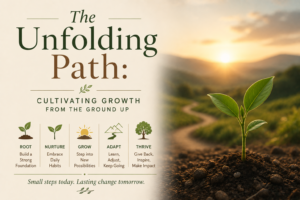 The truth is, real growth rarely feels dramatic. It’s not a sudden leap but a slow, often invisible, accumulation. Like a tree pushing its roots deeper underground, the most significant developments happen out of sight. That’s because learning isn’t a linear climb; it’s a complex, interwoven process that unfolds over time.
Understanding the Compound Effect of Learning
Think about a skill you’ve admired in others. Maybe it’s public speaking, coding, or even the ability to gracefully navigate a complex social situation. It’s easy to assume that those who possess these skills were somehow born with a special talent. But, more often than not, it’s the result of countless hours of focused effort, small daily improvements, and a willingness to learn from failures.
This is where the magic of compounding comes in. Each small action, each new piece of information, builds upon the last. It’s like investing. The earlier you start, the more time your investment has to grow. Similarly, the sooner you begin investing in your skills, the more time you give yourself to accumulate knowledge, practice, and refine your abilities. This is why consistent effort, even in small doses, is far more effective than sporadic bursts of intense activity. Think “compounding” instead of “cramming”.
The Power of Tiny Habits
How do we translate this understanding into action? The key is to break down the daunting task of “growth” into manageable, sustainable habits. Instead of aiming for massive changes overnight, focus on building small, consistent routines.
- Daily Practice: Dedicate a small amount of time each day to your chosen skill. Even 15-30 minutes can make a significant difference.
- Consistent Review: Regularly revisit what you’ve learned. Reviewing material helps solidify understanding and identify areas for improvement.
- Seek Feedback: Ask for feedback from mentors, peers, or instructors. Constructive criticism can be invaluable in accelerating your progress.
These tiny habits, performed consistently, are the building blocks of substantial, long-term growth. They create momentum, making it easier to stay on track. They also help build discipline, which is a crucial ingredient for success in any endeavor.
Common Mistakes That Sabotage Growth
Despite the best intentions, many people stumble on their growth journeys. The path is not always easy. Here are some common pitfalls that can derail progress:
Chasing Quick Wins
We live in an era of instant gratification, where success stories are often presented as overnight sensations. This can lead to the false belief that all skills should be acquired quickly. However, true mastery takes time. Resist the temptation to seek out “get rich quick” schemes in the learning world. Focus on building a solid foundation, even if it feels slow at first. Remember: slow and steady wins the race.
Ignoring the Fundamentals
It’s tempting to jump to advanced techniques or complex concepts before mastering the basics. This is like trying to build a house without a solid foundation. The result will be shaky and unsustainable. Make sure you understand the fundamentals before moving on. This may not always be exciting, but it’s absolutely essential.
Neglecting Reflection
Learning isn’t just about accumulating information; it’s about making sense of that information and integrating it into your existing knowledge. Take time to reflect on what you’ve learned, how it relates to your goals, and what adjustments you need to make. Without reflection, learning can become a passive process, and growth will be severely limited.
Fear of Failure
Mistakes are inevitable. They are also powerful learning opportunities. Don’t let the fear of failure paralyze you. Embrace challenges, experiment, and don’t be afraid to make mistakes. See failures as stepping stones, not roadblocks. Learn from them and keep moving forward.
Busting Popular Myths About Growth
The world is filled with misleading narratives about learning and growth. Let’s debunk a few common myths:
The “Talent” Myth
While some people may have a natural aptitude for certain skills, talent is only a small part of the equation. Hard work, dedication, and consistent practice are far more important. Don’t assume that you lack the ability to succeed because you weren’t born with a particular talent. Embrace the idea that anyone can learn and grow with the right approach.
The “Overnight Mastery” Myth
As mentioned before, real skill development takes time. The idea of achieving mastery in a short period is unrealistic. Be patient and understand that growth is a process, not an event. Enjoy the journey and celebrate your progress along the way.
The “One-Size-Fits-All” Myth
Everyone learns differently. What works for one person may not work for another. Don’t blindly follow the advice of others. Experiment with different learning methods, find what resonates with you, and personalize your approach. Growfunda can assist you with your personalized growth journey.
The Long-Term Impact of Cultivating Growth
The benefits of investing in your long-term development extend far beyond immediate skills. The positive impacts create a ripple effect:
Career Advancement
As the job market continues to evolve rapidly, the ability to learn and adapt becomes increasingly valuable. Continuous learning will make you more employable, and also open up new opportunities. This also makes you more versatile, able to navigate the changing demands of the modern workplace.
Enhanced Mindset
The process of learning builds resilience, self-confidence, and a growth mindset. You’ll become more comfortable with challenges, view failures as learning opportunities, and develop a greater sense of purpose and direction. You will learn to embrace discomfort.
Expanded Opportunities
New skills and a growth mindset will create new possibilities. You’ll become more creative, innovative, and able to explore new paths. This can lead to exciting career changes, entrepreneurial ventures, or new ways of engaging with the world.
Modern Relevance: Learning in 2026 and Beyond
The learning landscape is evolving faster than ever. The rise of artificial intelligence, remote work, and the constant flow of information present both challenges and opportunities. Here’s what it looks like today:
Adaptability is Key
The ability to adapt to new technologies, changing work environments, and emerging trends is paramount. Embrace lifelong learning, be open to new ideas, and constantly seek to update your skills.
The Power of Digital Literacy
As we increasingly rely on digital tools, mastering digital literacy is essential. This includes skills like using AI tools effectively, managing your online presence, and staying safe online. Also consider the importance of choosing a good password manager, as described in the article, Declutter Your Digital Life: A Practical Guide to Choosing the Right Password Manager in 2026.
The Importance of Soft Skills
Technical skills are important, but soft skills such as communication, collaboration, problem-solving, and emotional intelligence are increasingly valuable. These skills are essential for navigating complex challenges, building relationships, and thriving in collaborative environments. Practice them daily.
Future Outlook: Continuous Development
The future belongs to those who embrace continuous development. Here are some trends to watch for:
Personalized Learning
The focus on personalized learning experiences will continue to grow. This means tailoring your learning to your specific needs, interests, and learning style. Explore online courses, mentorship programs, and other resources that are designed to meet your unique needs.
Micro-Learning
Micro-learning, or the delivery of information in short, digestible formats, will continue to gain popularity. Embrace this approach to learning, incorporating short videos, podcasts, and other resources into your daily routine. This is essential for effective learning.
The Rise of AI-Powered Learning
Artificial intelligence will play an increasing role in learning, providing personalized recommendations, automated feedback, and new learning tools. Be open to exploring these technologies and integrating them into your learning process. AI tools can be used in your personal and professional growth.
FAQ: Your Questions About Long-Term Growth, Answered
Here are some frequently asked questions about the process of learning and growth:
1. How can I stay motivated when I’m not seeing immediate results?
Focus on the process, not just the outcome. Celebrate small wins, track your progress, and remind yourself why you started. Find an accountability partner to keep you on track.
2. What if I feel overwhelmed by the amount of information available?
Start small, focus on one area at a time, and don’t try to learn everything at once. Create a plan, set realistic goals, and prioritize your learning.
3. How do I choose what to learn?
Identify your interests, career goals, and areas where you want to grow. Research different skills and choose those that align with your passions and aspirations. Always aim for continuous growth.
4. How do I deal with setbacks and failures?
View failures as learning opportunities. Analyze what went wrong, identify areas for improvement, and adjust your approach. Don’t give up. Be patient with yourself.
5. How do I make time for learning in my busy schedule?
Schedule time for learning, even if it’s just 15-30 minutes a day. Integrate learning into your routine, such as listening to podcasts during your commute or reading articles during your lunch break. Be consistent.
6. Is it ever too late to learn something new?
No, it’s never too late to learn. The ability to learn and grow continues throughout your life. Embrace the opportunity to learn something new at any age.
7. How can I measure my progress?
Set clear goals, track your progress, and celebrate your accomplishments. Use metrics such as time spent, completed tasks, and feedback from others. The key is to see consistent growth.
8. How do I build a growth mindset?
Embrace challenges, view failures as learning opportunities, and be open to new ideas. Seek feedback from others, and focus on effort and persistence rather than innate talent.
The path of learning and growth is a journey, not a destination. It’s about cultivating a mindset of continuous improvement, embracing challenges, and never stopping the quest for knowledge and self-discovery. By understanding the principles of long-term development and avoiding common pitfalls, you can unlock your potential and achieve lasting success. The unfolding path is a lifelong journey. Embrace it.